
Les inscriptions en grec ancien gravées sur du marbre ou d’autres pierres nous permettent d’entendre directement les anciens habitants de la Chersonèse carienne, avec leurs propres mots. Ces textes peuvent présenter des décisions politiques, des registres de dons, des honneurs rendus à des citoyens privilégiés ou à des amis étrangers, des célébrations de victoires lors de compétitions athlétiques, ou des textes funéraires. Ces inscriptions étaient importantes pour définir la communauté de Phoenix, en la reliant au monde grec dans son ensemble, et pour maintenir de bonnes relations avec les dieux, les voisins et les membres de la famille.
Actuellement, trente-deux inscriptions de Phoenix ont été publiées. La majorité d’entre elles sont de courts textes funéraires, tandis que d’autres sont de nature politique ou religieuse. Les dates de ces textes s’étendent du IVe siècle av. J.-C. au Ve siècle apr. J.-C., lorsque le christianisme s’est popularisé sous l’Empire romain tardif. Certaines sont gravées sur des bases de statues ou des blocs muraux, tandis que d’autres sont gravées directement dans le substrat rocheux, devenant ainsi des éléments permanents du paysage. Ces textes nous offrent des informations importantes sur la vie des habitants à l’époque où ils ont été gravés, sur leurs liens avec la Pérée rhodienne dans son ensemble, ainsi que sur leurs priorités politiques, sociales et sacrées.
Cependant, les inscriptions n’ont pas seulement été importantes au moment de leur création initiale, mais aussi pendant des siècles par la suite, et ce jusqu’à nos jours. De nombreuses inscriptions hellénistiques antiques ont été intégrées dans une église paléochrétienne à Phoenix, tandis que beaucoup d’autres ont été incorporées à des maisons modernes de Taşlıca. Ces « vies ultérieures » des inscriptions ont rarement fait l’objet de recherches épigraphiques (c’est-à-dire de recherches sur les inscriptions). Le projet PAP offre donc une opportunité passionnante d’étudier ces pierres de manière holistique plutôt que comme des archives historiques isolées, en examinant les inscriptions locales comme des éléments actifs du paysage et de l’agglomération à travers les siècles. Les objectifs du projet d’épigraphie du PAP sont donc les suivants :


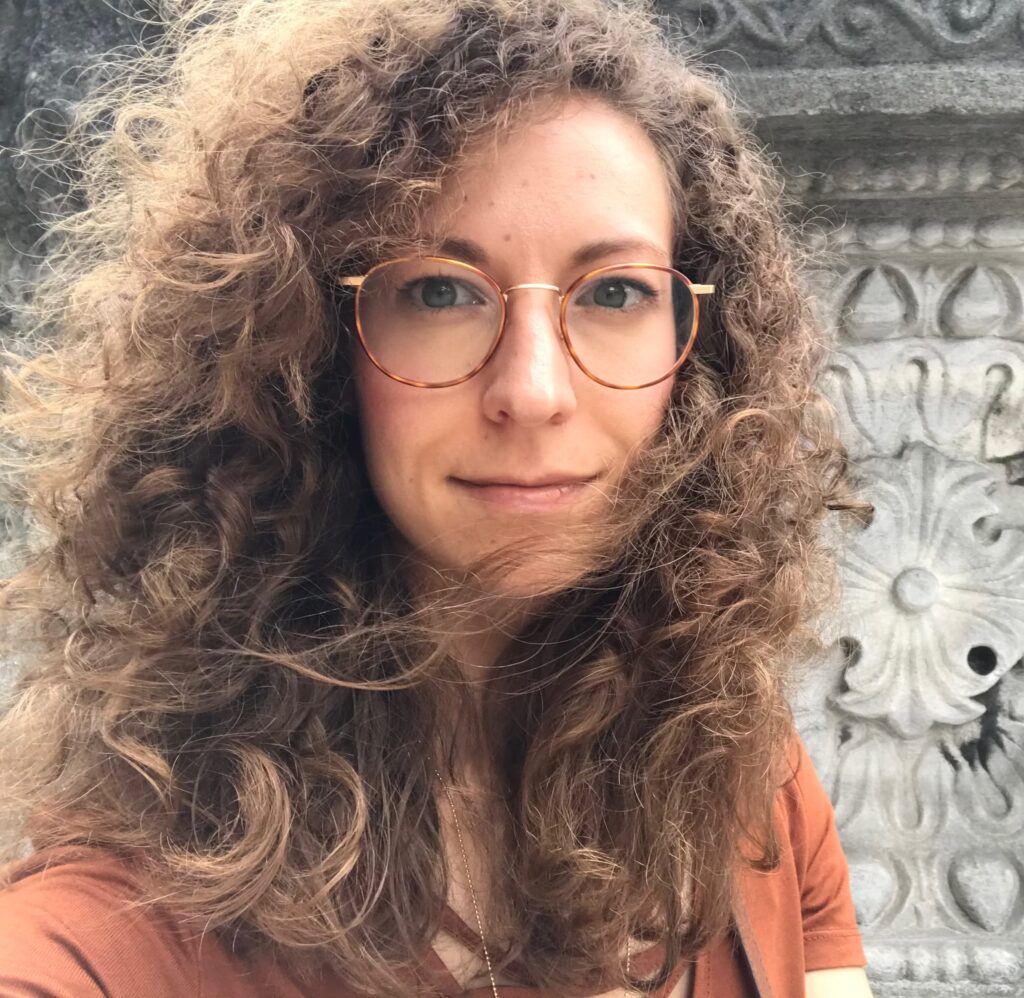
Anna M. Sitz is a Postdoc at the Universität Heidelberg in Germany, where she is leading a project on inscriptions at Greek sanctuaries. She comes from the US originally and completed her PhD at UPenn in 2017 with a dissertation titled “The Writing on the Wall: Inscriptions and Memory in the Temples of Late Antique Greece and Asia Minor.” This research combined epigraphic and archaeological approaches to explore the continued use and preservation of ancient, pagan inscriptions in the early Christian world. She is especially interested in the role that inscriptions played in the religious and social changes that took place in the late Roman empire. During her PhD, she spent two years in Athens at the ASCSA (American School of Classical Studies at Athens) and also held a CAORC Mediterranean Fellowship in Ankara at ARIT (American Research Institute in Turkey). In addition to Phoenix, she has done research on Byzantine Kappadokia and is currently leading the excavation of a medieval Christian cemetery at Labraunda in Karia. Her teaching at Heidelberg introduces students to subjects such as “Paganism in Late Antiquity,” “Constantine the Great,” and “Greek Identity in Asia Minor.”
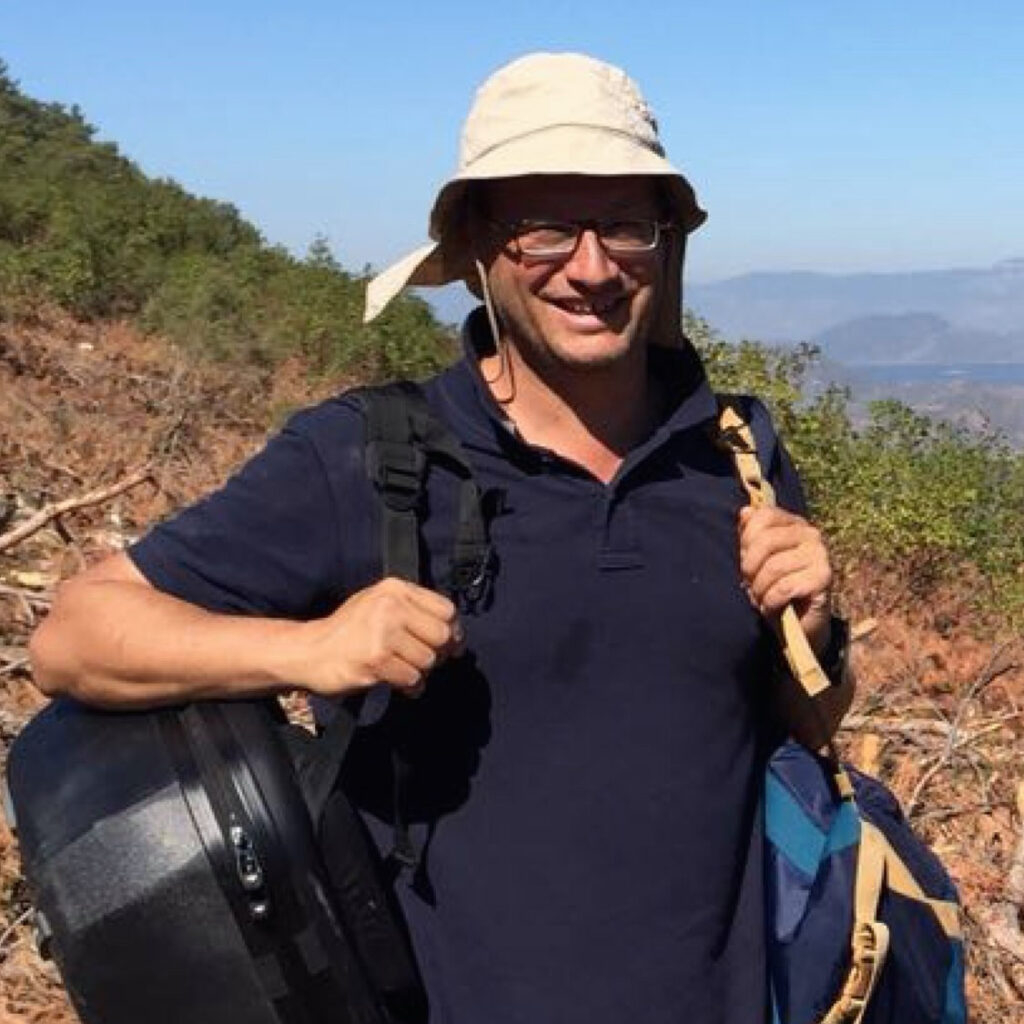
Koray Konuk holds a tenured position at the French National Centre for Scientific Research (CNRS) as an Associate Research Professor. His main interests are in the history of early coins as well as the history and archaeology of Caria, a region of southwest Asia Minor.
After studies in Classical Archaeology and Political Science in Louvain followed by a doctoral degree in Oxford, he was appointed as a Curator of ancient coins at the Fitzwilliam Museum and an invited university Lecturer in the Faculty of Classics of Cambridge University.
He has led archaeological field surveys in the Ceramic Gulf in Caria and headed the French archaeological mission at the ancient site of Euromos. He has been a visiting scholar in Oxford, Istanbul, and at the American Numismatic Society in NYC. He is currently directing a collaborative internet-based project called Historia Numorum Online which aims to record Greek coin types, the current volume being on Carian mints: http://hno.huma-num.fr/.
He is a co-editor of the new Bulletin Numismatique de l’Asie Mineure and of the International Journal of Ancient Mediterranean Studies: Philia; as well as a member of the editorial board of the following academic journals: Anatolia Antiqua (Istanbul), Anadolu (Ankara), Archaeologia Maeandrica (ARMA, Aydın), Arkeoloji ve Sanat Dergisi (Istanbul).